
Bilingual Radio: Indigenous raise their Voices
For many centuries the indigenous people in Peru have been oppressed. This oppression still persists today, especially in education and in the media. This is where the radio project of PUKLLASUNCHIS comes into play.
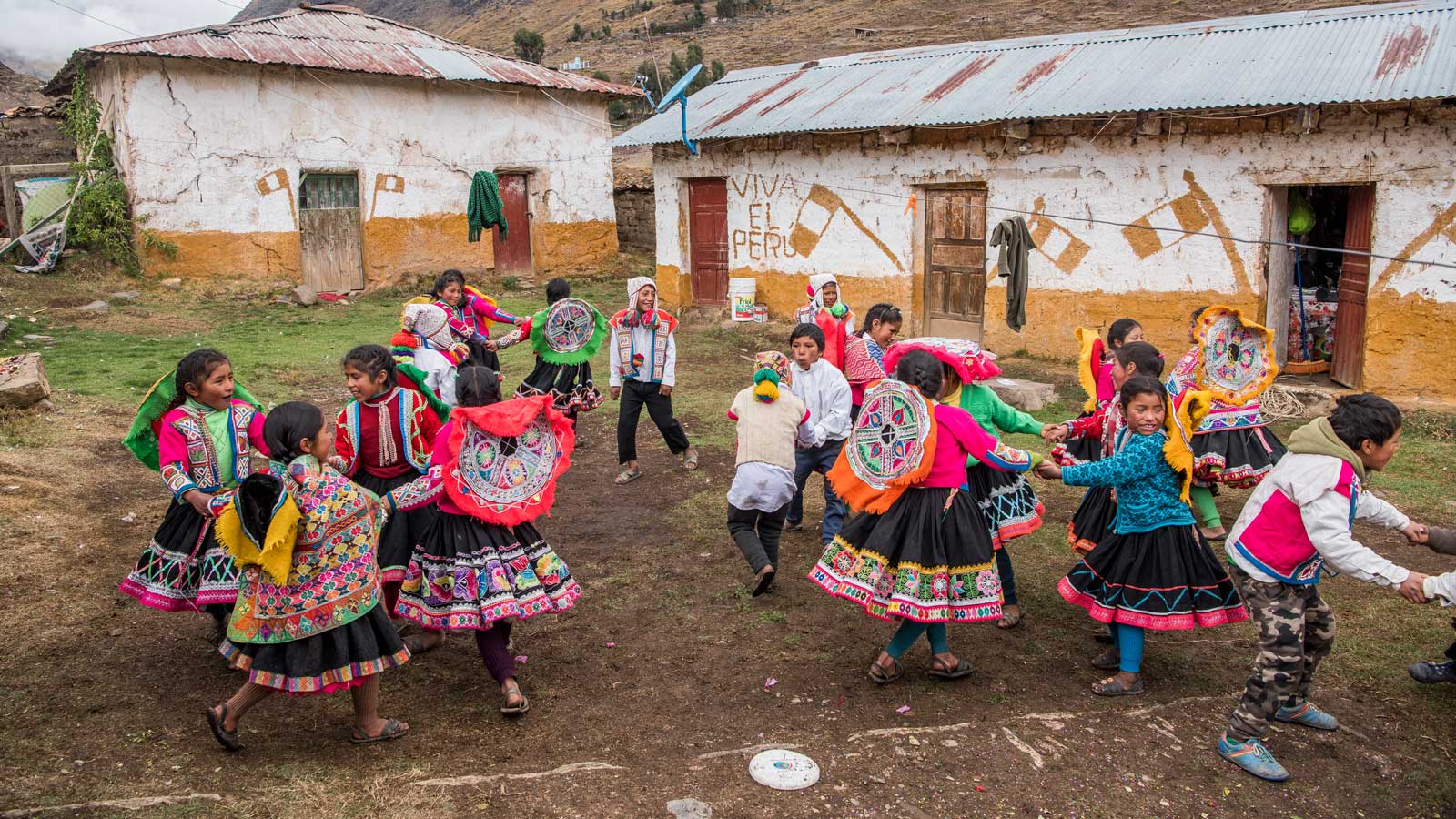
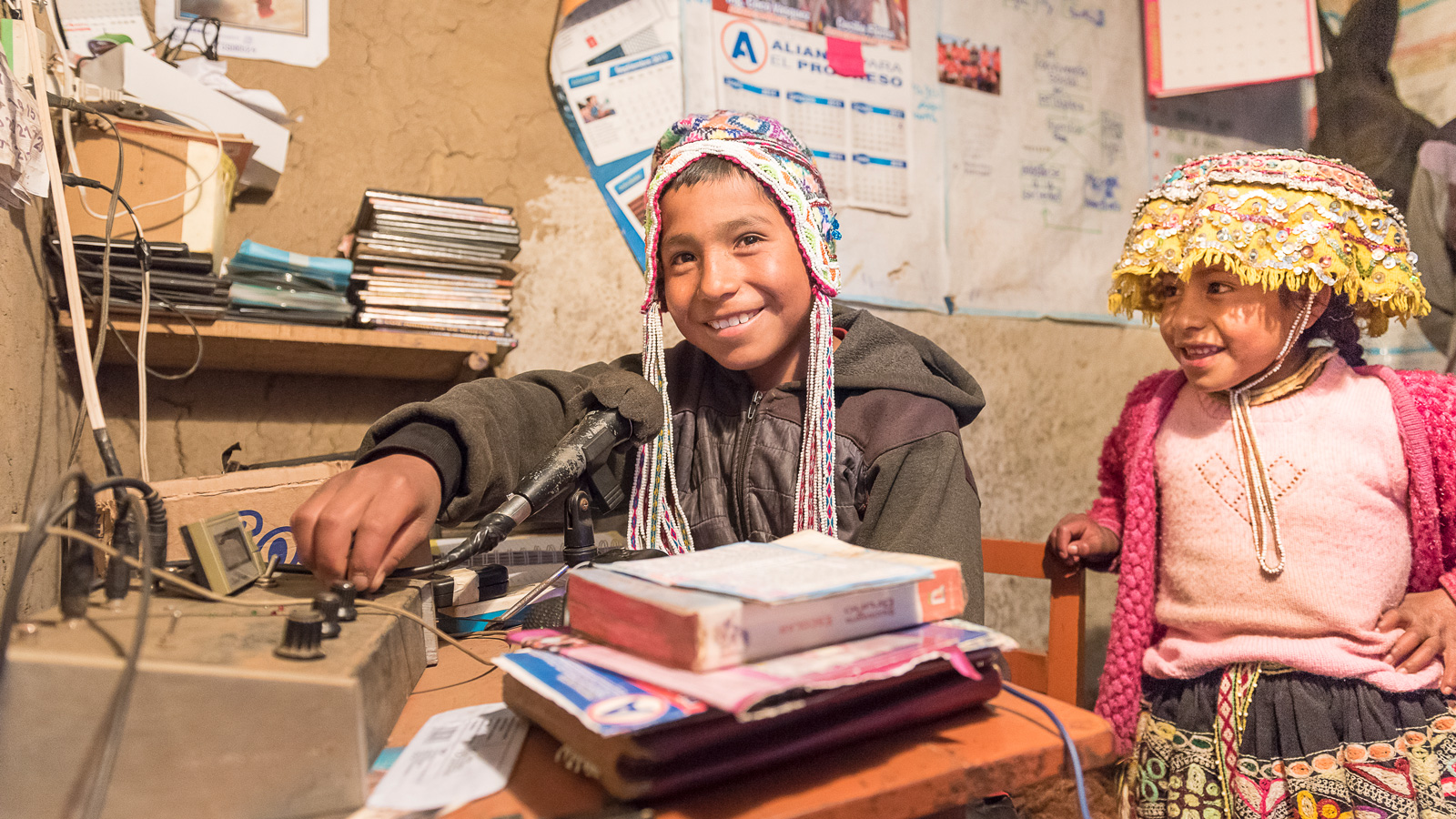
Children produce bilingual and intercultural radio programmes and thereby are actively included in the school lessons, and have the opportunity to engage with indigenous knowledge and culture. The radio project facilitates the intercultural and bilingual approach for the teachers. The children’s self-confidence is increased and they strengthen their native language and engage with their cultural background. In the sub project, indigenous women are taught to be “communication leaders” and produce multilingual and intercultural radio programmes.
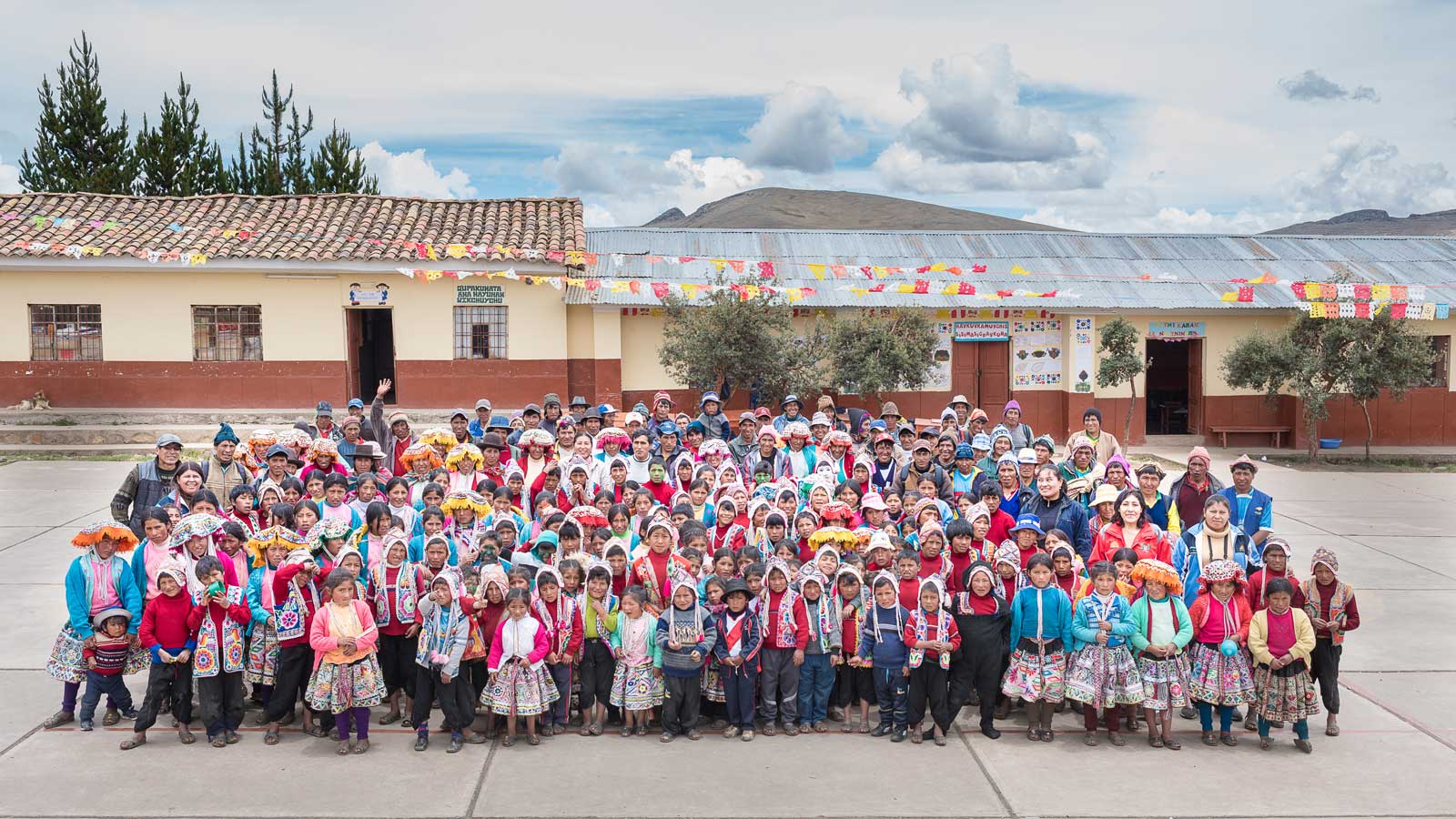
The radio programmes are broadcasted on local and regional radios and give the children, women and indigenous communities a voice in the media. The project provides a key to equality in the education system and makes the voices of the women and the indigenous knowledge heard. The radio programmes are collected by PUKLLASUNCHIS and applied by educational institutes as intercultural teaching material. The project supports a democratisation process that is essential for the Peruvian society.

Serguei Álvarez Cartagena (Director) and
Alejandro Molina Mollapaza (Co-Director)
PUKLLASUNCHIS, Peru
„Pukllasunchis was founded on a deep conviction: play is a way of learning and teaching, discovering, caring and growing together.
Together with children and families in the Andes, we promote an approach to education that gives children the space to dream, explore, make mistakes and actively shape their future. We understand learning as a holistic process that connects thinking and doing, body and mind, and is closely rooted in the children’s social, cultural and natural environment.
Quechua culture, the knowledge of local communities and children’s own forms of expression are valuable resources that deserve to be heard, respected and strengthened. We see diversity not as an obstacle, but as a foundation for learning together. We work to strengthen the dignity and participation of people who have long been marginalised or overlooked, while fostering communities based on mutual respect and a responsible relationship with nature.
Because meaningful learning happens where children feel accepted and taken seriously. And a more just future becomes possible when people shape it together – by learning, playing, laughing and caring for one another.“