
Empowerment through theatre and community

Our partner organisation Iniciativa Colibrí works in a neighbourhood centre in Estelí, a town in the north of Nicaragua. There, children and young people can attend theatre classes and there is a small library with books and games.

Photo: Iniciativa Colibrí

Empowerment through theatre and community

Our partner organisation Iniciativa Colibrí offers children and young people from the neighbourhood meaningful leisure activities. The focus is on the theatre courses, which help the children and young people to strengthen their self-confidence and skills. 

Our partner organisation Iniciativa Colibrí works in a neighbourhood centre in Estelí, a town in the north of Nicaragua. There, children and young people can attend theatre classes and there is a small library with books and games. For women, there are courses in sewing and repairing motorbikes. The aim is to strengthen the children and women in their skills and self-confidence and to create a place where they can develop. 

The children and young people visit the centre of Iniciativa Colibrí in their free time as a supplement to school. School lessons only take place either in the morning or in the afternoon. Consequently, many children are left on their own for half a day because their parents have to work. In the neighbourhood streets, however, the children are confronted with drug problems and other dangers. The situation of the families is not easy. Nicaragua has massive economic problems and high emigration which has become a problem and has increased greatly in recent years due to the socio-political situation. 

In this situation, the project works with the transformative power of the theatre: through acting, the children and young people get to know themselves and they learn how to deal constructively with their emotions and with the challenges in their lives. Through acting they develop their imagination, which opens their eyes to different perspectives and possibilities in life. Through performances in the city and in different locations around the country, new realities open up for the young people and their faith in themselves grows. 

Maria Jesus Centeno founded the Iniciativa Colibrí ten years ago together with her then teenage niece. She still runs it today with a small team and a lot of volunteeers. Strong roots in the neighbourhood and the great voluntary commitment of the young people, parents and neighbours characterise this small but strong project. 

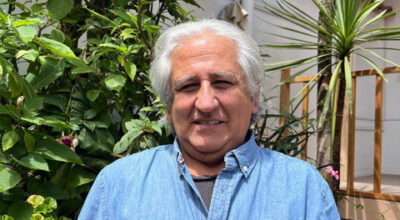
María Jesús Centeno Tercero

Founder and Project Coordinator, Nicaragua

„I founded the project Iniciativa Colibrí in January 2012 to give the children and young people of my neighborhood, Monseñor Oscar Arnulfo Romero, the opportunity to exercise their rights to participation, self- expression, recreation and exploration of their creative ideas. The main method of achieving this is the theatre, through which they get to know their own emotions. Over time, we also offered courses in sewing and motorbike repair for adult women. In the process, the personal development sessions have become our trademark. Later, we came up with the idea of establishing a community library for children who love to come here and learn things through play. This is Colibrí, a refuge where we can recharge our batteries when the days outside are grey and hopeless.“
Permaculture School Garden against Hunger

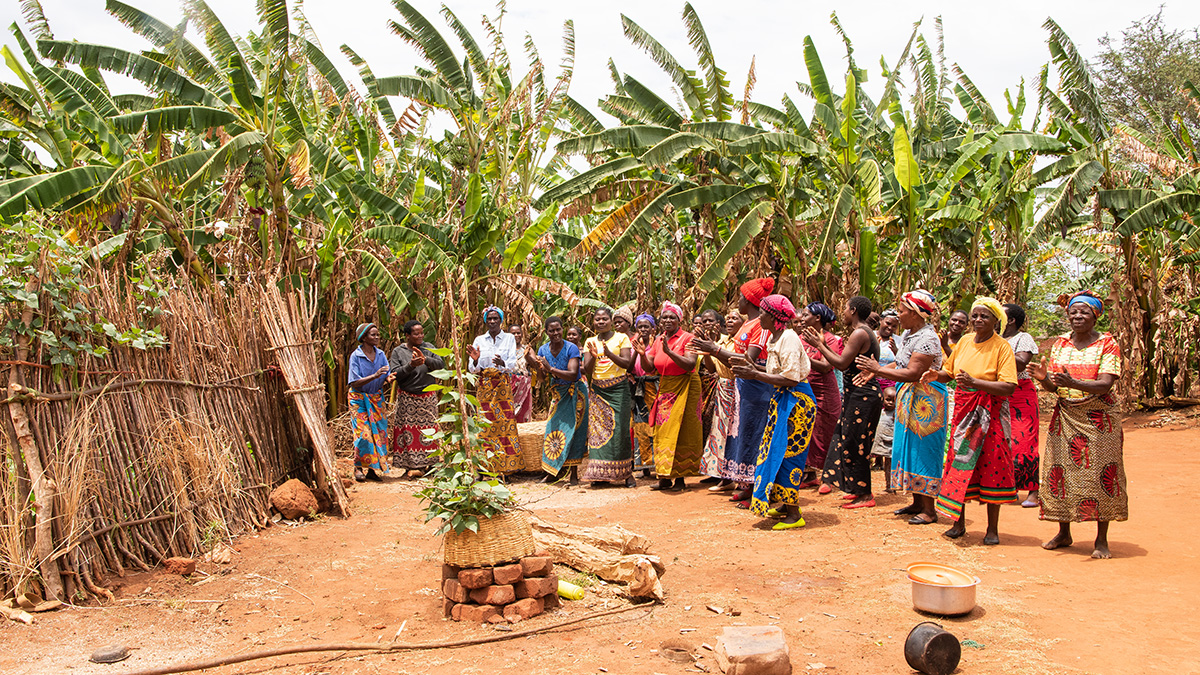
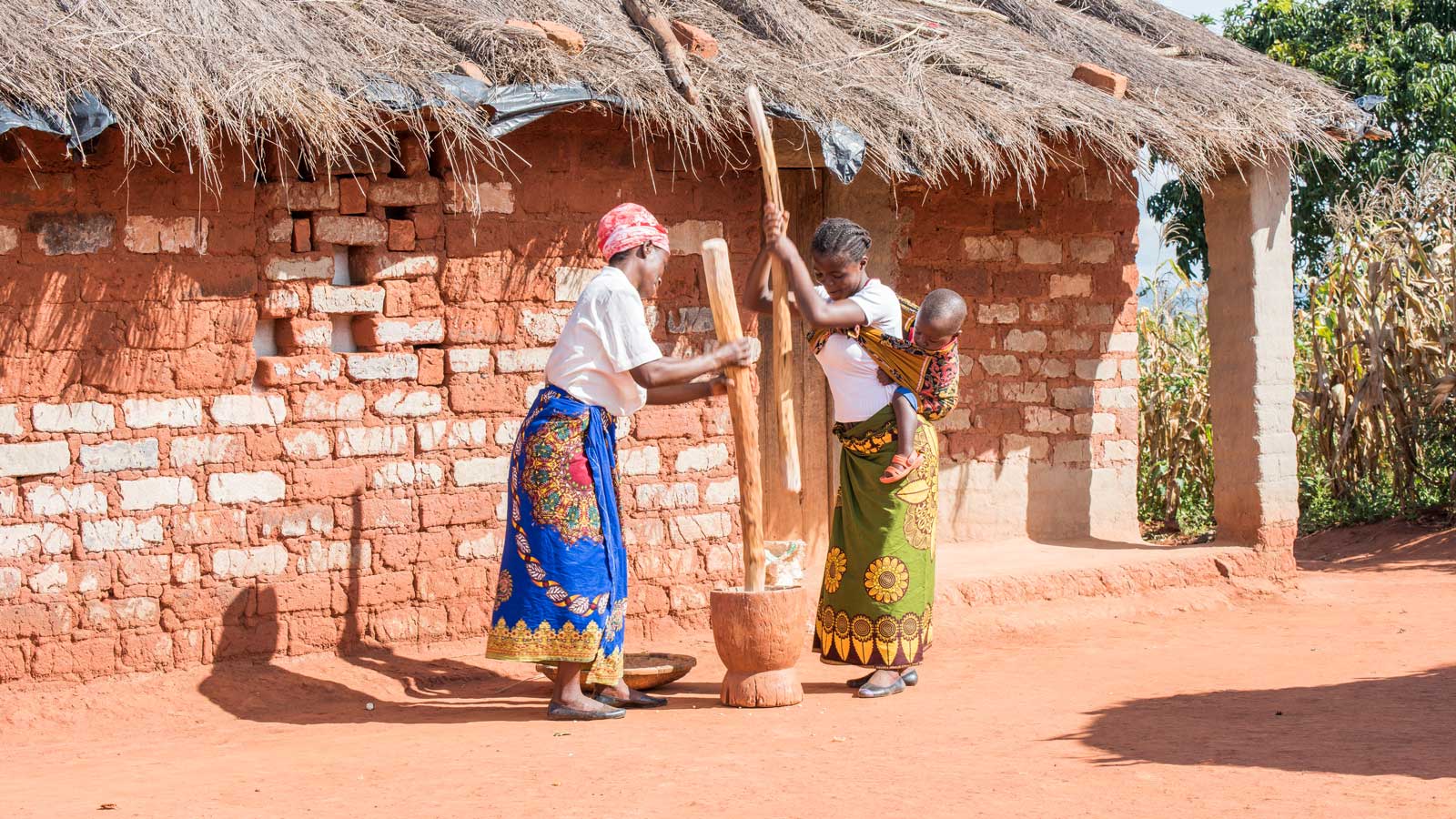
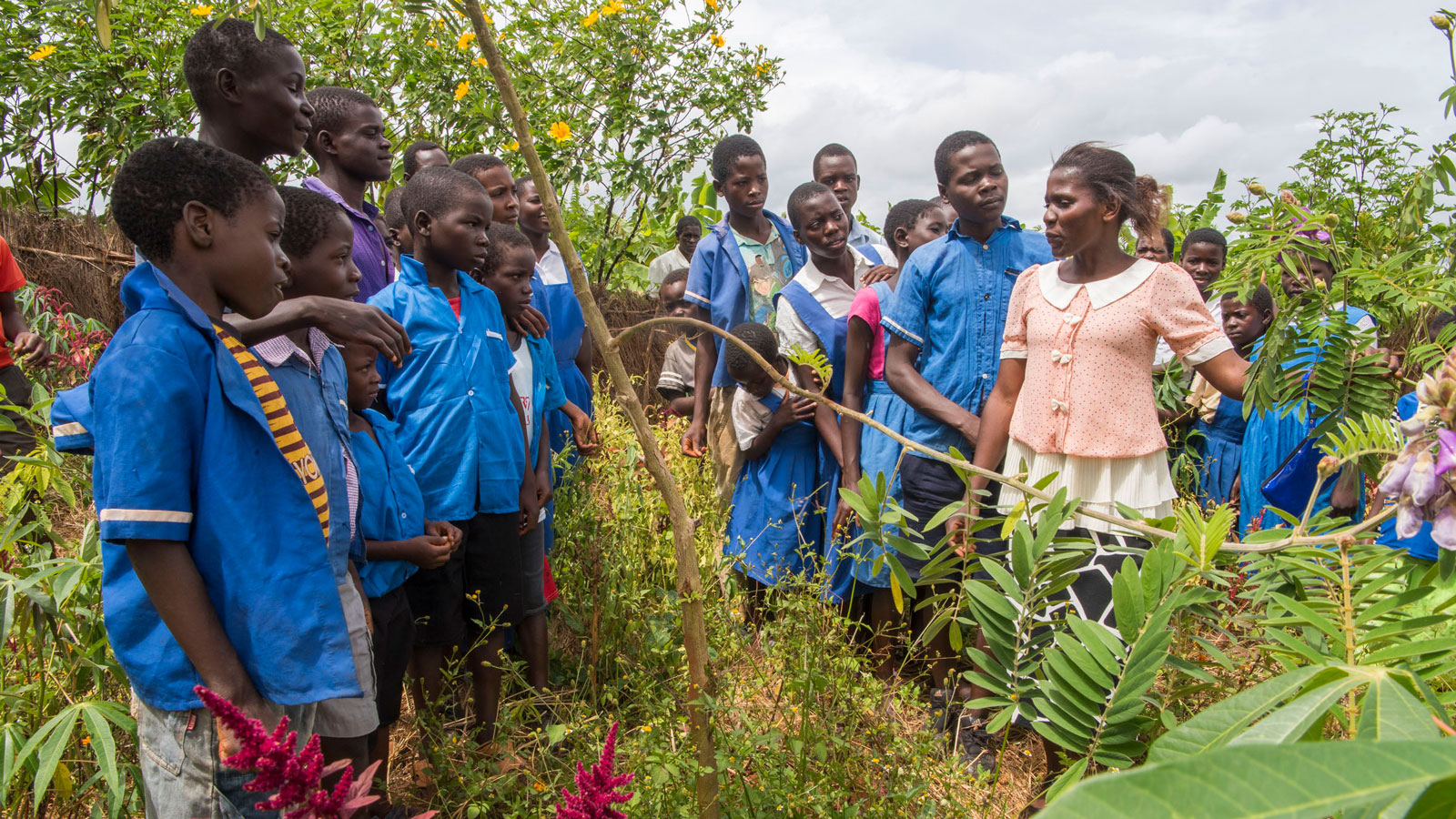
In northern Malawi, our partner organisation ASUD (Action for Sustainable Development) supports primary schools in setting up permaculture school gardens. By promoting sustainable agriculture, ASUD cooperates with the school communities to fight hunger and malnutrition.

Permaculture School Garden – primary schools

PERMACULTURE SCHOOL GARDEN AGAINST HUNGER

In northern Malawi, our partner organisation ASUD (Action for Sustainable Development) supports primary schools in setting up permaculture school gardens. By promoting sustainable agriculture, ASUD cooperates with the school communities to fight hunger and malnutrition.

In the rural area of the district of Mzimba, hunger and malnutrition are widespread. Our partner organisation ASUD works together with 5 primary schools and the families of the school children.

Each school sets up a permaculture garden and grows local vegetables and fruit with high nutritional value. Pigs are kept to provide manure for compost. Fruit trees, maize, soya and bananas are planted in the school grounds and the soil is stabilised through erosion measures. The yields from the school garden provide the children with balanced meals. As a result, they attend school regularly, can concentrate better and improve their performance.

At the same time, each school is a learning centre for organic farming and nutrition science for the whole community. The parents of the school children go there to learn how to fight hunger and malnutrition with locally available means, without chemicals and with little money. Afterwards, they copy the school garden at their homes. The families form permaculture clubs to help each other implement what they have learned. The sale of surpluses improves the economic situation of the families on the one hand and enables the schools to make urgently needed purchases on the other hand. ASUD works together with the district authorities to achieve an overall social benefit from the project. Where it is possible, deep wells are drilled at the schools and in the villages. This greatly facilitates the maintenance of the gardens. The water also serves for drinking, cooking, cleaning and daily hygiene, such as hand washing.

This project is based on a successful pilot project at the primary school in Ng’ongo, which ASUD implemented between 2018 and 2020 with the support of EcoSolidar.

THOMAS NGWIRA

Director ASUD, Malawi

“I personally love working with rural communities, particularly with women and children, in solving problems related to food security, nutrition and environment. I have learnt that investing in women benefits everyone in a household as they are directly responsible for the family welfare and that children keep what they learn and the knowledge benefit is long term.”

Photo Report

A new perspective through organic farming

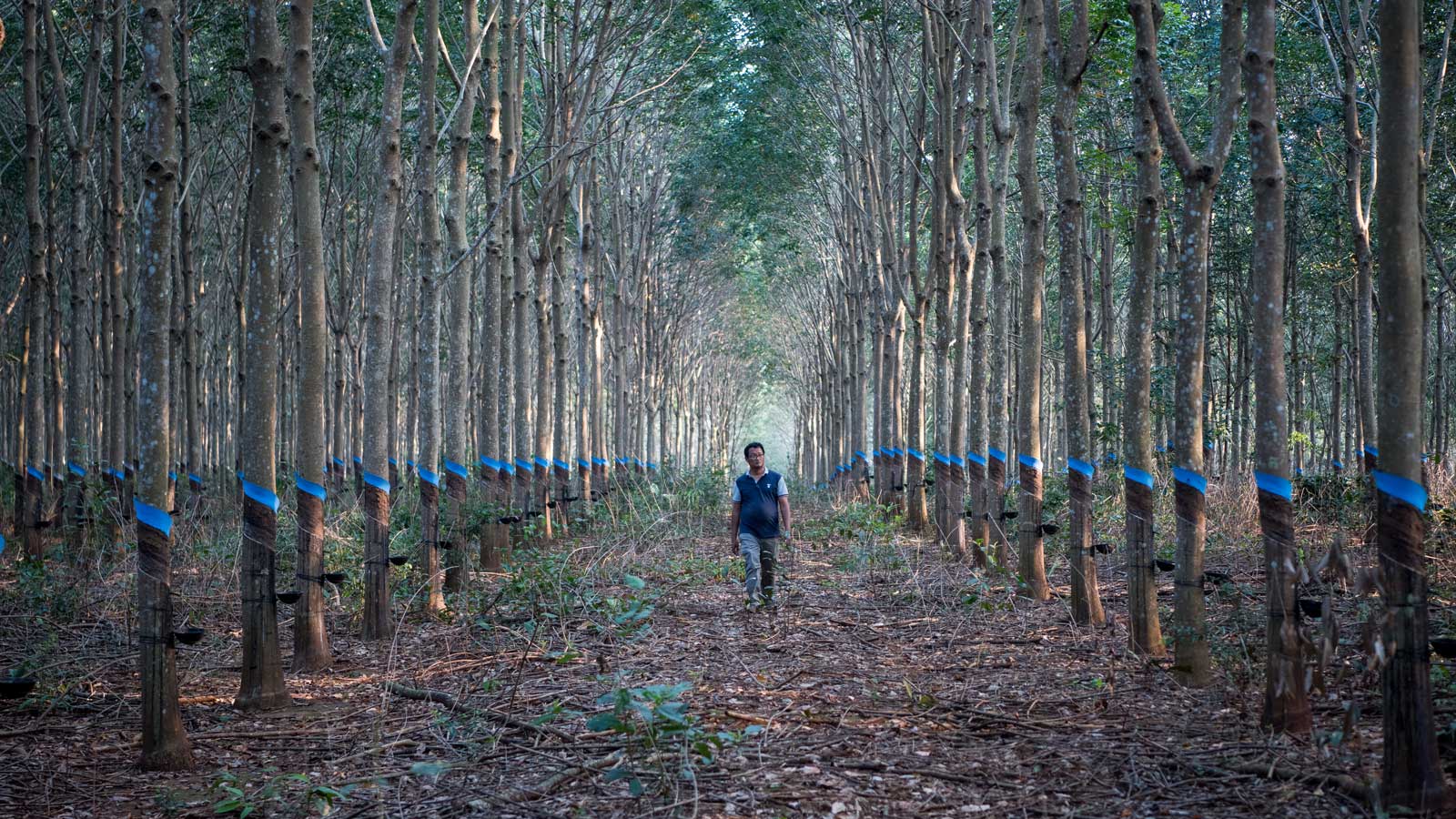
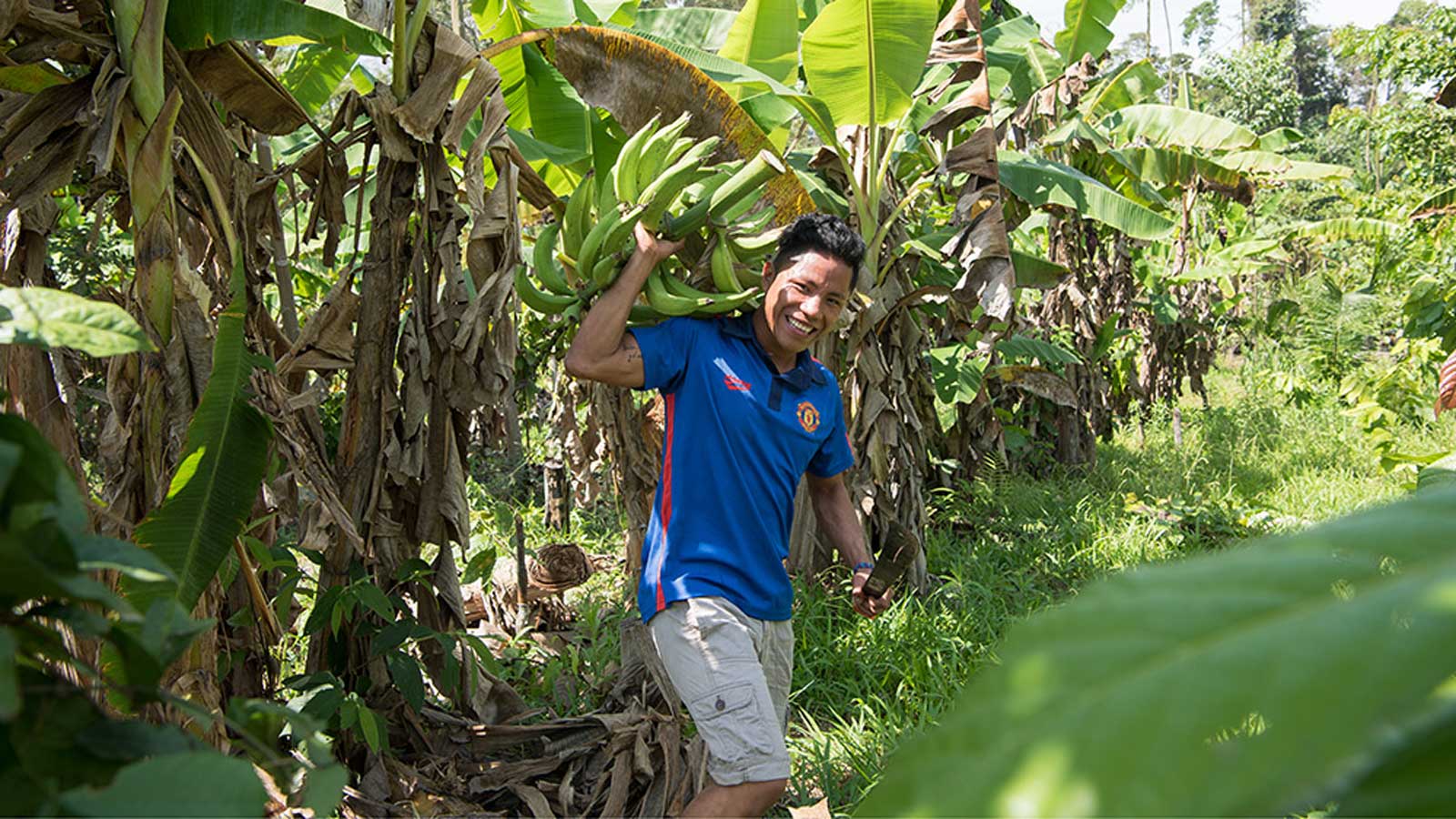
The indigenous Bunong community in Mondulkiri is affected by land-grabbing through international rubber companies. The loss of their land spreads hopelessness and causes social problems. In organic farming the indigenous people find an alternative way to secure their livelihood as well as hope for the future of their community.

A new perspective through organic farming

The Bunong community in Mondulkiri (Cambodia) is affected by land grabbing on the part of international rubber companies. The loss of their land leads to hopelessness and causes social problems. In organic farming, the indigenous families find an alternative way to secure their livelihood as well as hope for and confidence in the future of their community.

The Bunong have been severely affected by land grabbing since 2008. Since then, the loss of their land has forced them to settle down and abandon their previous method of cultivation (swidden agriculture). Self-sufficiency as in the past is no longer possible. Through organic farming, the Bunong learn how to cultivate the little land left to them in a profitable way and to find a perspective in their struggle for existence as a community.

Our partner organisation, the Cambodia Indigenous Friendship Association (CIFA), has emerged from the community and supports the Bunong families in their transition to sustainable agriculture. CIFA teaches and advises the families in organic farming techniques and in the production and marketing of cash crops such as pepper, coffee and vegetables. They are taught the production of compost and natural pesticides so that they can cultivate their land independently of expensivechemical products. Thus, the families learn how to successfully cultivate the remaining land in the long term, which incidentally also protects it from land grabbing. By selling their products, they are able to improve their income.

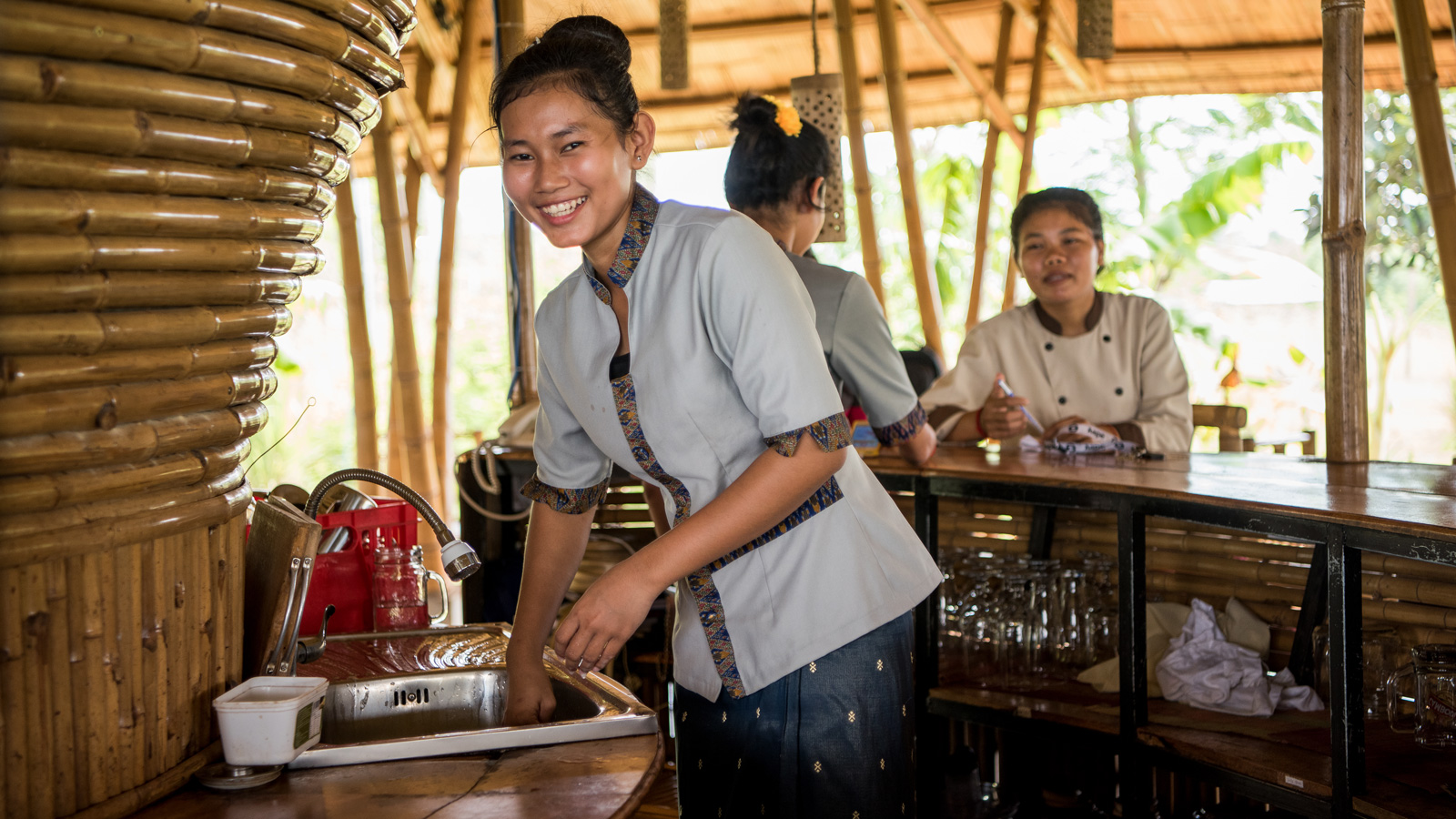
At CIFA’s demonstration farm in Bousra, the results and benefits of organic farming become visible. Here, pigs, chickens and fish are kept and practical training courses are held. In addition, CIFA runs a small restaurant in Bousra, which also serves as a sales point for the farmers’ products. The CIFA staff are all Bunong. Through their work, they want to strengthen the Bunong community and create new perspectives for the families and future generations. 

Maeing Chouy

Director CIFA, Cambodia

„I consider the indigenous people to be the most vulnerable among all minorities in the province of Mondulkiri province. The loss of their land causes many problems. Agricultural cultivation as it used to be is no longer possible. I fear that the situation of the indigenous people will deteriorate in the future and that our culture and identity will get lost. CIFA was founded by Bunong who are worried about the future. We train the indigenous community in organic farming. This enables people to earn an income and gives young indigenous people a perspective for the future in their community. It is important for the indigenous community to join forces to find new ways and to take responsibility for their own future.”

Photo report Preceding project

Education and a Better Future for Children in Need

Our partner organisation BSDA works in Kampong Cham with children and youths from extremely poor and broken families. The various educational programmes offer young people opportunities and positive prospects for their future.

Education and a Better Future for Children in Need

Education and a Better Future for Children in Need

Our partner organisation BSDA works in Kampong Cham with children and youths from extremely poor and broken families. The various educational programmes offer young people opportunities and positive prospects for their future.

In the region around Kampong Cham apprenticeships are urgently needed. BSDA (Buddhism for Social Development Action) runs its own social enterprises and provides apprenticeships in the fields of mechanics, electronics, tourism, gastronomy and beauty care.

In the “Smile Institute” live around 50 vulnerable children and youths. They do not have sufficient primary education and have dropped out of school because they grew up in extremely poor and broken families. Around half of them are girls. In the first six months they attend the “preperatory school”, where they catch up on basic education. Subsequently, they complete an apprenticeship during one year.

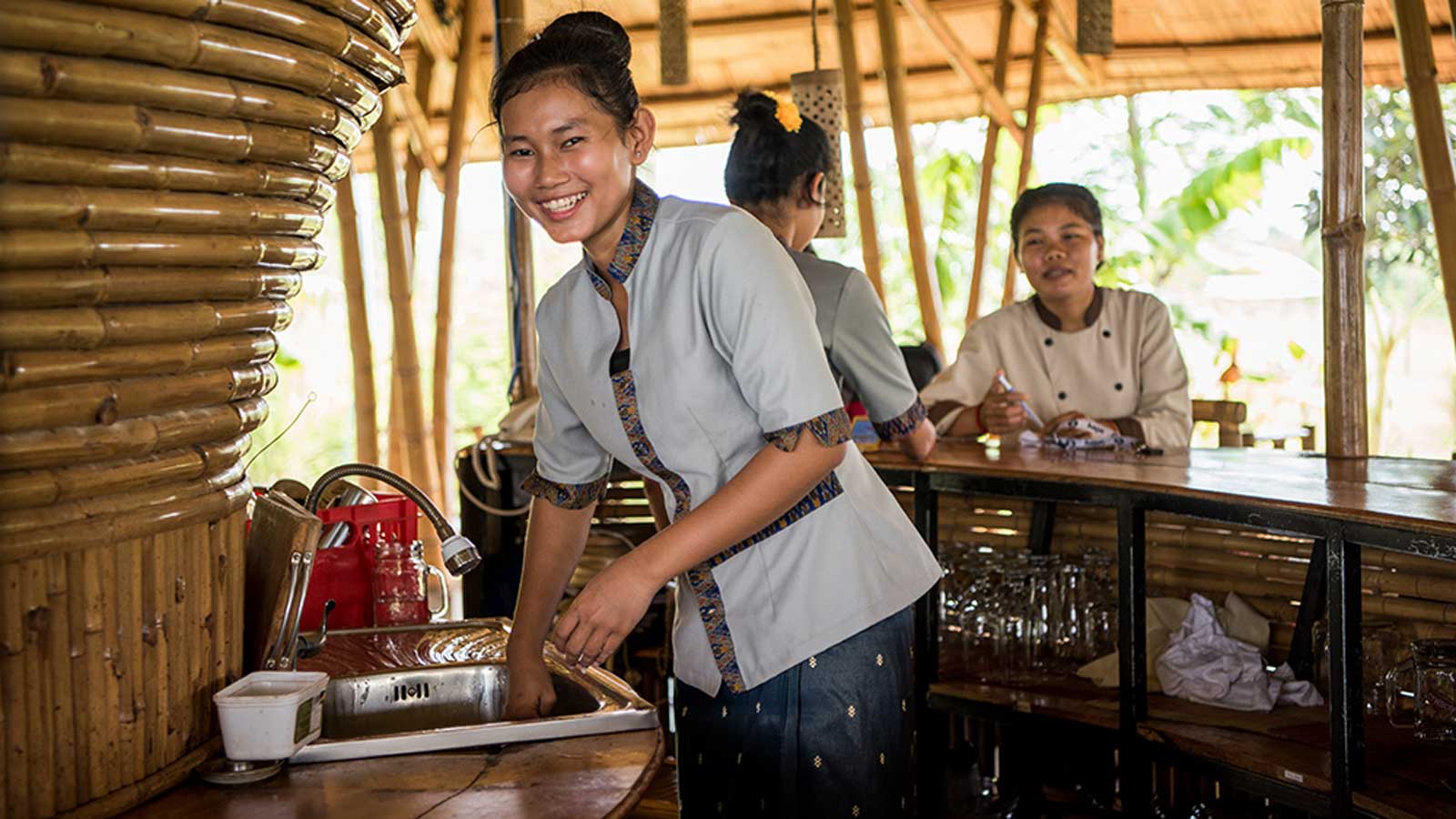
The “Smile Restaurant” is such a social enterprise that serves as a training workplace for future cooks and service employees. Since this concept has proved its worth, the “Hanchey Bamboo Resort” was opened in 2018, an ecological retreat centre for local and international guests. Young people can complete an apprenticeship in gastronomy and hotel business here. The construction followed ecological and social standards and promoted directly the development of the surrounding villages. The “Hanchey Bamboo Resort” is ecologically and socially sustainable.

Particularly poor families receive scholarships so that their children can attend school. In two drop-in centres, the organisation offers tutoring and leisure activities. The dance and music courses are very successful and contribute significantly to strengthening the children’s self-confidence. English and Chinese courses are also offered at a local school and pre-school children are looked after in two kindergartens.

Bee Chhon Sros Cambodia

Bee Chhon Sros

Director BSDA, Kambodscha

“BSDA has been successful at developing strong and positive relationships with the communities where we work. Our mission is to work together to empower vulnerable people, promote compassionate engagement and enhance the quality of life, especially for women, children and youth, through education, health and livelihood development initiatives.”

Photo report

Empowerment of Women Experiencing Violence

Our partner organisation SIEDS fights for a nonviolent environment for women and men in Bangalore, India, and strengthens women in their self-determination. The SIEDS-Collective promotes awareness and will not give up until the situation of women has improved.

Empowerment of Women Experiencing Violence

Our partner organisation SIEDS fights for a nonviolent environment for women and men in Bangalore, India, and strengthens women in their self-determination. The SIEDS-Collective promotes awareness and will not give up until the situation of women has improved.

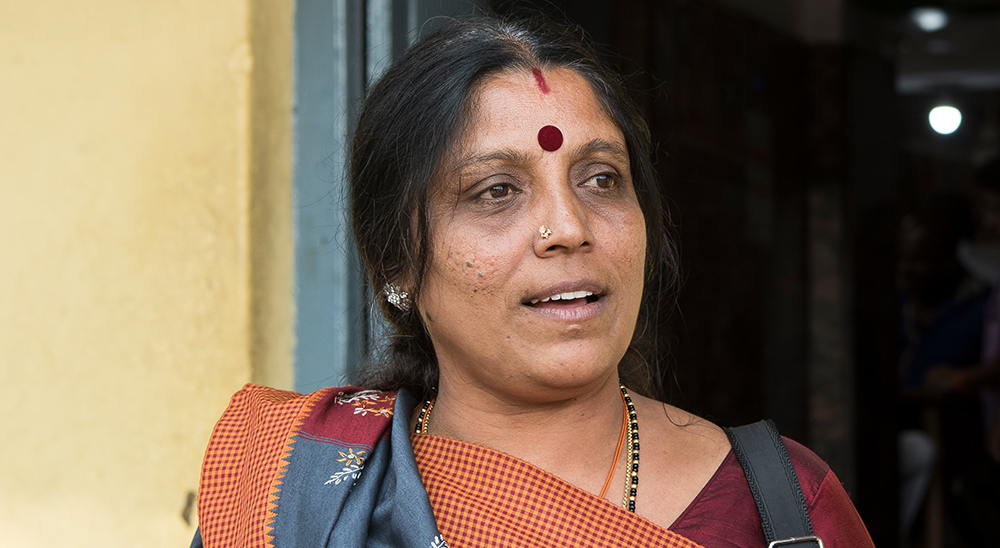
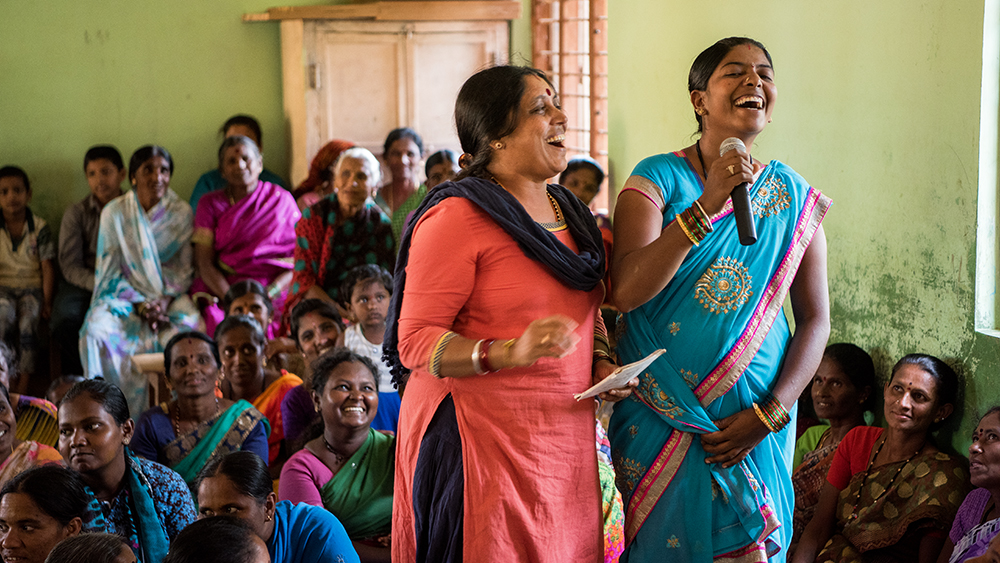
SIEDS counsels women in threatening situations in the crisis intervention centre in Bangalore and offers temporary protection to women and their children in the women’s shelter in Kolar. The counselling of SIEDS is resource-oriented and holistic. In the long term SIEDS empowers women to reject different forms of violence in their households and in society. SIEDS strengthens the position of women by promoting their self-organisation in groups in the suburbs of Bangalore. SIEDS includes the civilian population in the discussions about violence and equal rights and holds the government and responsible institutions accountable for gender discriminating laws and practices. The prevention campaigns of SIEDS increase the awareness of those concerned, the public and the authorities for the problem of dowry violence, selective abortion of female foetuses and the lack of security for women in public space. An effective fight against domestic violence and to promote gender equality requires – just as in Switzerland – a lot of time, and a constant multidimensional commitment. It includes immediate crisis interventions in cases of violence, a long-term strengthening of women and prevention and sensitizing campaigns to give impulses to social norms, official practices and the legal basis not to tolerate violence against women and to promote gender equality. This is exactly what SIEDS fights for.

Mamatha Yajamman

Counselor SIEDS-Collective, India

“One of the basic principles underlying the community work is the belief that a woman has the right and ability to make decisions about her life; our role is to facilitate this decision-making process.”

Photo report

Circus as an alternative for socially vulnerable children

The circus project CIRCO FANTAZZTICO run by our partner organisation VIDA NUEVA offers children and youths coming from poor districts of San Isidro, Costa Rica, an alternative to gang crime and gives them a new perspective in a difficult social environment.

Circus as an alternative for socially vulnerable children

Circus as an alternative for socially vulnerable children

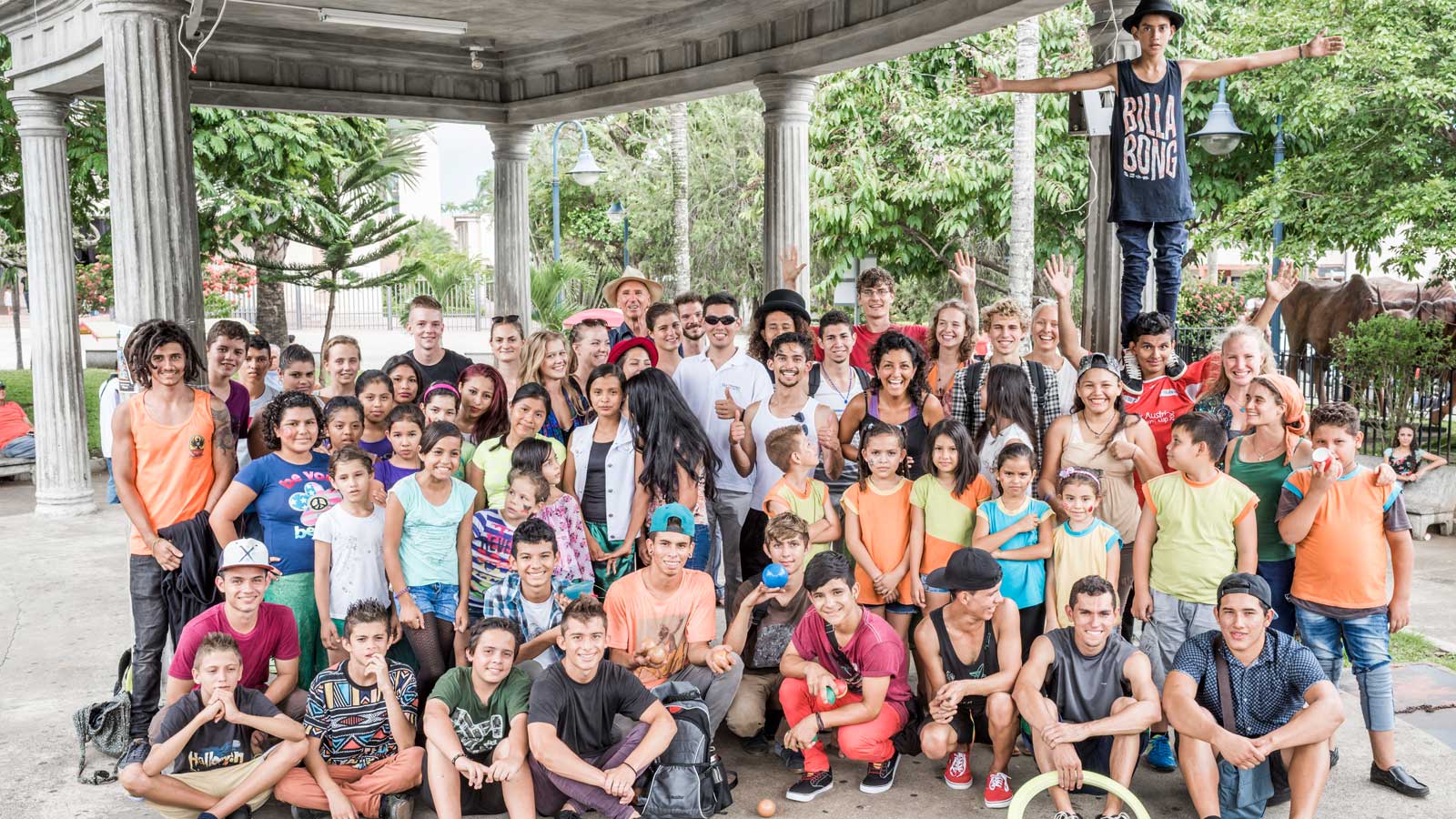
The circus project CIRCO FANTAZZTICO run by our partner organisation VIDA NUEVA offers children and youths coming from poor districts of San Isidro, Costa Rica, an alternative to gang crime and gives them a new perspective in a difficult social environment.

Besides circus trainings in various districts VIDA NUEVA also organises public performances to motivate the children and young adults to participate regularly. One condition for participating in the circus project is a regular school attendance. The project therefore also provides educational work and gives the children and youths future prospects. The circus creates a social community and a safe space where they can spend their free time in a meaningful, positive and healthy way.

The experience of the previous years has shown that the artistic project of VIDA NUEVA provides an opportunity to the children and youths to improve their physical abilities and their social competence. Thereby they gain self-confidence and develop independence as well as team spirit.

Through their social preventive and artistic achievements CIRCO FANTAZZTICO has attained national and international recognition, which gives the artists the opportunity to show their skills at festivals and tours outside of Costa Rica. So far they have been to Switzerland five times. This international success is a high motivation for all the children and youths that have found an alternative to criminalisation in the CIRCO FANTAZZTICO.

Carolina Gil

Director Circo Fantazztico, Costa Rica

“Circo Fantazztico is a dynamic social project. It promotes learning and self-knowledge among the participants and gives them the opportunity to experiment with their own abilities and develop in different areas of life. The circus is also a safe and free space. A refuge from life’s adversities and a place of joy, resilience and nourishment for the soul. Every circus experience is a treasure for every person, whether as a participant, trainer or spectator. For me, social circus is a pedagogy and a means of socio-cultural intervention, innovative and revolutionary.”

Photo report

Support for indigenous students in the city

More and more young people from indigenous communities in the Peruvian Amazon region move to Puerto Maldonado for a higher education. Once arrived in the city, many of them face existential problems. Our partner organization FENAMAD supports these young people in their everyday life so that they are able to finish their studies.

Support for indigenous students in the city

Support for indigenous students in the city

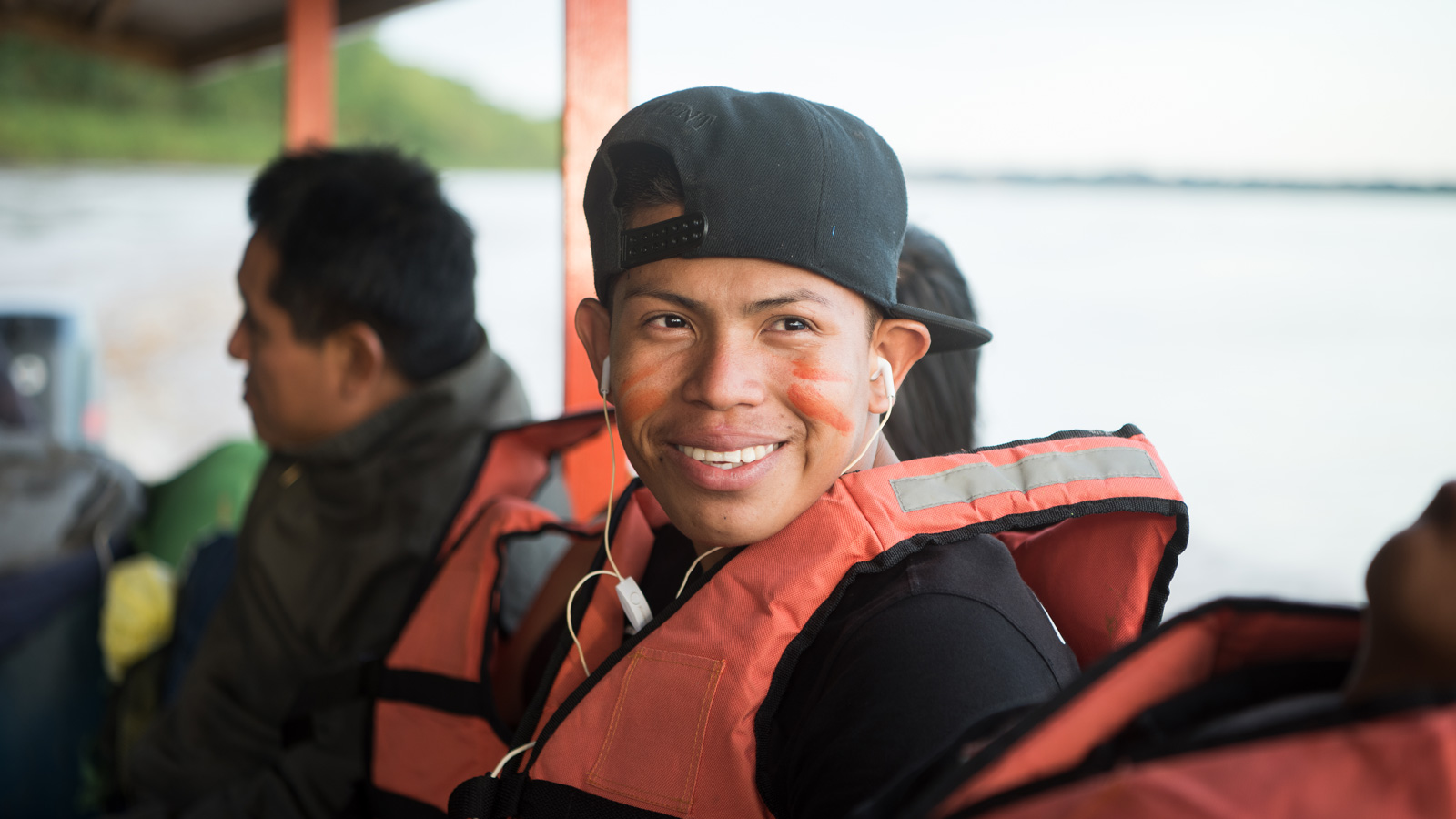
More and more young people from indigenous communities in the Peruvian Amazon region move to Puerto Maldonado for a higher education. Once arrived in the city, many of them face existential problems. Our partner organization FENAMAD supports these young people in their everyday life so that they are able to finish their studies.

The number of young indigenous people that leave their families to pursue their studies in the city of Puerto Maldonado has constantly risen during the last couple of years. For them and for their families this provides an opportunity to graduate and to be able to live a better life. However, the rate of students dropping out of college has increased significantly. Most of the indigenous families don’t have stable incomes and are poor. In consequence, many students face poor living conditions, they lack a healthy diet and the support and orientation that they would need to pass the exams. In addition, the discrimination of indigenous people and social problems such as crime, prostitution and a lack of leisure opportunities are substantial.

The student residence, which was renovated by FENAMAD together with the young people, offers the students a sheltered space where they can live and learn. A psychologist looks after them individually and supports them in strengthening their self-confidence and in developing plans for their future. They also receive extra tuition and can attend artistic workshops. With the support of this project we do also want to counter the following problem faced by our partner organization FENAMAD: International Organizations are clearly prioritizing projects for the protection of the rain forest and projects for the defense of the rights of indigenous people.  These projects are, without a doubt, very important. However, problems of indigenous people in the urban environment do barely gain attention by international organizations and it is very difficult for FENAMAD to find financial resources for such projects. EcoSolidar decided to support this project because it responds to an urgent need expressed by the affected population that has been ignored so far.

Alfredo Vargas Pio

President von FENAMAD, Peru

„FENAMAD advocates for equal rights and opportunities and always respects the autonomy of the indigenous communities it represents. We empower indigenous women in leadership positions and work towards better education and training opportunities for indigenous youth. It is important to give our territories and communities legal security. We have the administrative capacity to do this. The isolated indigenous communities are in danger because their territories are being affected by mining. As representatives of these communities, we want to campaign for a state that respects our rights.”

Photo report

“Las Pioneras” for a better life

Our partner organisation IDEMNNA (Instituto de Desarrollo “Maria Elena Moyano”) works in Peru in a suburb of the capital Lima, where migrant families from different parts of the country live. The aim of the project is to holistically improve the living conditions of women and their children. The focus is on the personal development of the women and their independence is to be promoted by setting up their own small businesses.

“Las Pioneras” for a better life

Our partner organisation IDEMNNA (Instituto de Desarrollo “Maria Elena Moyano”) works in Peru in a suburb of the capital Lima, where migrant families from different parts of the country live. The aim of the project is to holistically improve the living conditions of women and their children. The focus is on the personal development of the women and their independence is to be promoted by setting up their own small businesses.

In the hope of a better life and prospects for the future, thousands of people from all parts of Peru move to the capital Lima. Due to massive immigration and the uncontrolled construction of settlements, a second city has literally emerged around Lima in recent decades. Our partner organisation IDEMNNA works in the community “Villa El Sol” in Jicamarca, which is located in the eastern region of Lima and where migrant families from different regions of Peru live. The living conditions here are extremely precarious: the basic supply – water, sewage, electricity, health, green areas – is lacking. Violence, alcohol, drugs and land trade cause massive problems. Most families live in abject poverty. Many women are single mothers and the majority of them have experienced psychological or physical violence.

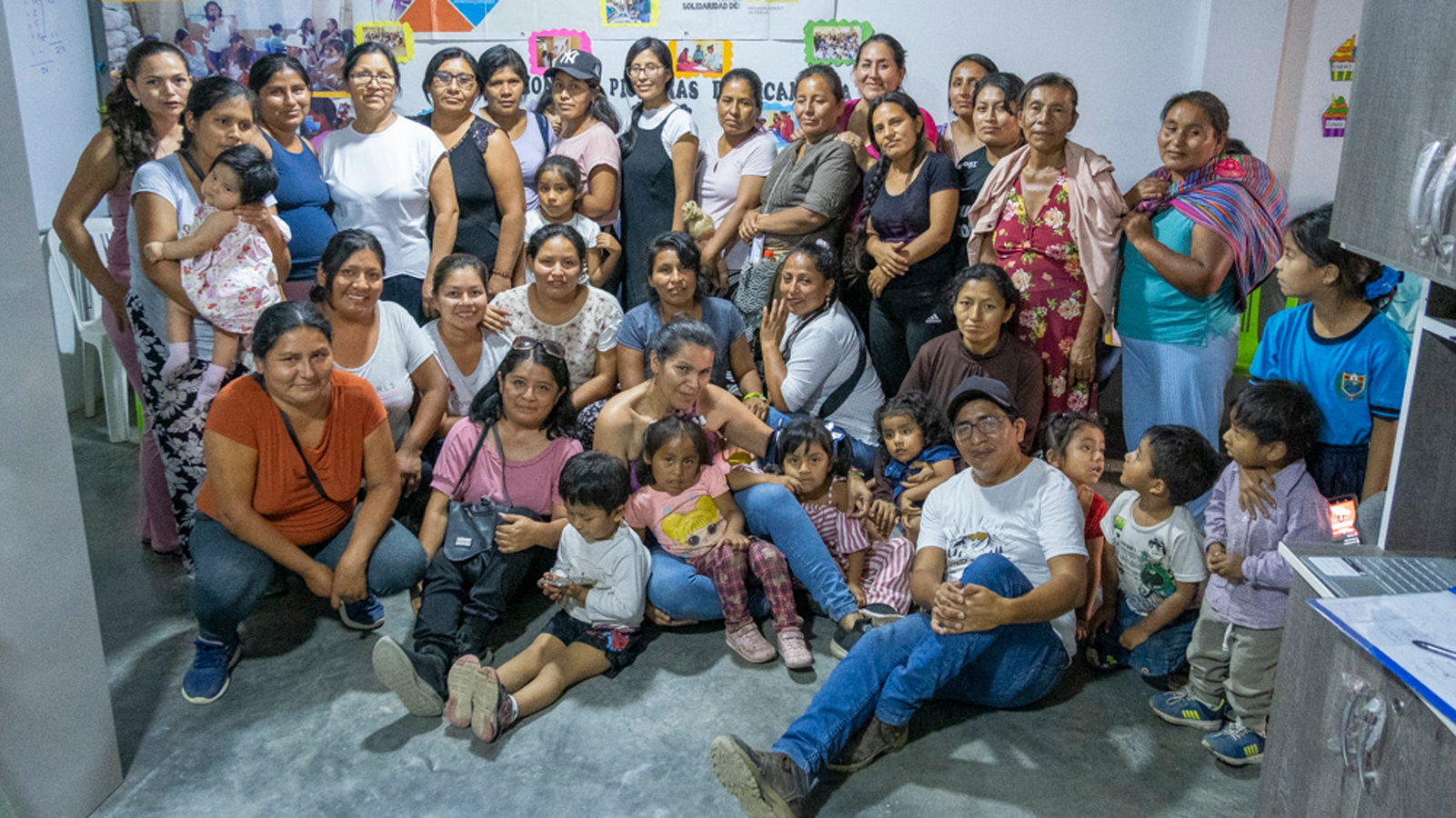
Our partner organisation IDEMNNA works here with women and their children. The aim of the project is to improve the coexistence in the families, to support the women in their personal development and independence and to strengthen solidarity in the neighbourhood. At IDEMNNA the women find a safe place where they can exchange their experiences of violence and educational problems. This exchange among the women is an important principle. The women who are supported by IDEMNNA founded a group and gave themselves the name “Las Pioneras” – pioneers. They receive psychosocial counselling and practical tips for self-help. At the same time, the aim is to support the women in their financial independence, by developing their own business ideas and with small loans as start-up aid. In addition to working with local women, IDEMNNA consistently seeks cooperation with the responsible authorities and public authorities, which is not easy to achieve in this context.

The project started in 2017 with two employees who started the project voluntarily and with a lot of initiative and commitment. In 2018 EcoSolidar initially supported a pilot project to empower women. The committed start of the small organisation convinced us: IDEMNNA performs holistic work “from below” and is oriented towards women’s resources.

Carmen

Carmen Susana Velásquez López

Project Coordinator, IDEMNNA, Peru

“Our aim is for women, children and young people to be able to strengthen and develop their human and entrepreneurial skills under dignified conditions. To this end, we create and promote space for self-help. We want to contribute to the construction of a just, solidarity-based, non-violent and healthy society in coexistence with its environment”.

Photo Reports

Bilingual Radio: Indigenous raise their Voices

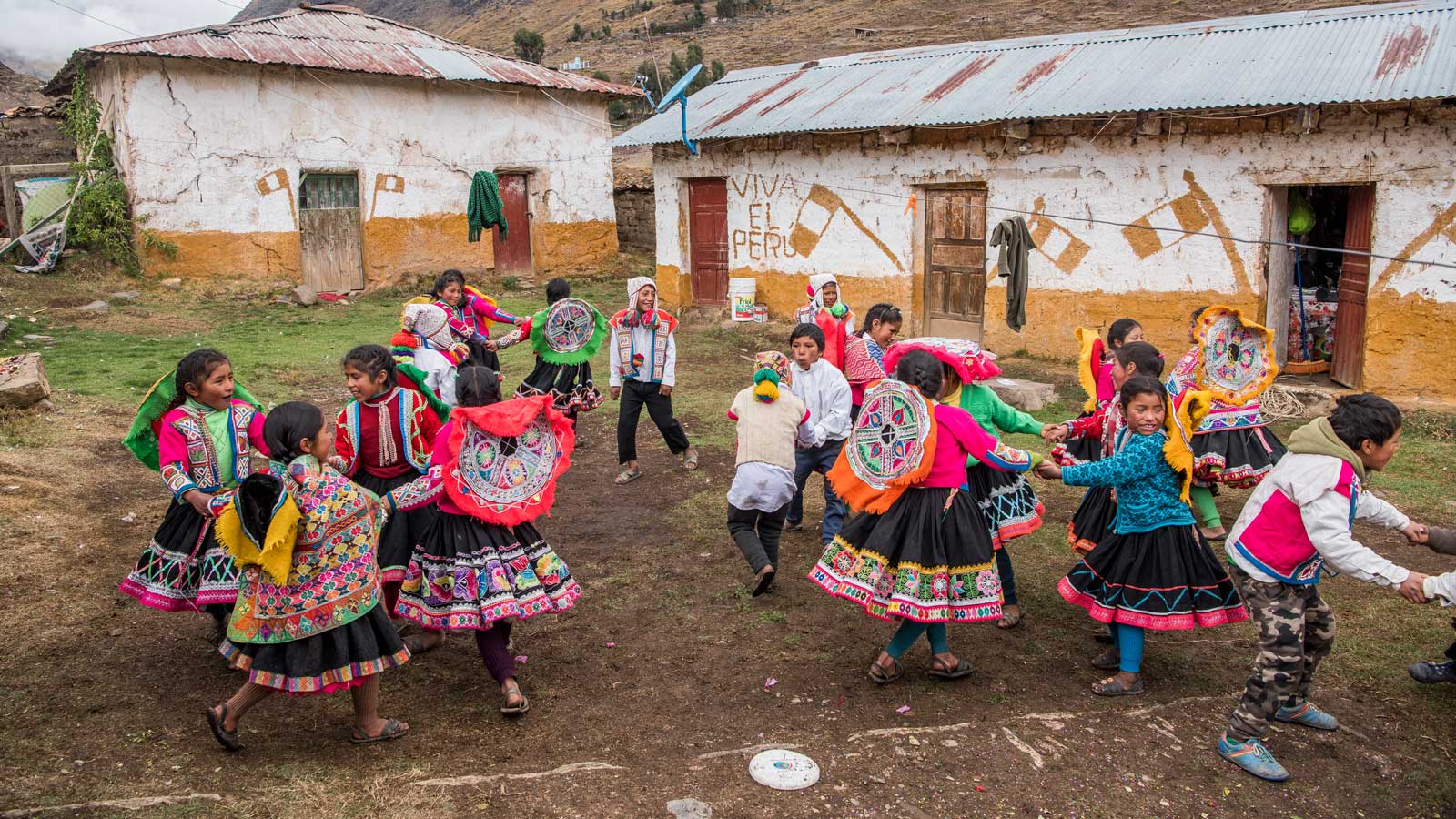
For many centuries the indigenous people in Peru have been oppressed. This oppression still persists today, especially in education and in the media. This is where the radio project of PUKLLASUNCHIS comes into play.

Radio Indigene Peru

Bilingual Radio: Indigenous raise their Voices

For many centuries the indigenous people in Peru have been oppressed. This oppression still persists today, especially in education and in the media. This is where the radio project of PUKLLASUNCHIS comes into play.

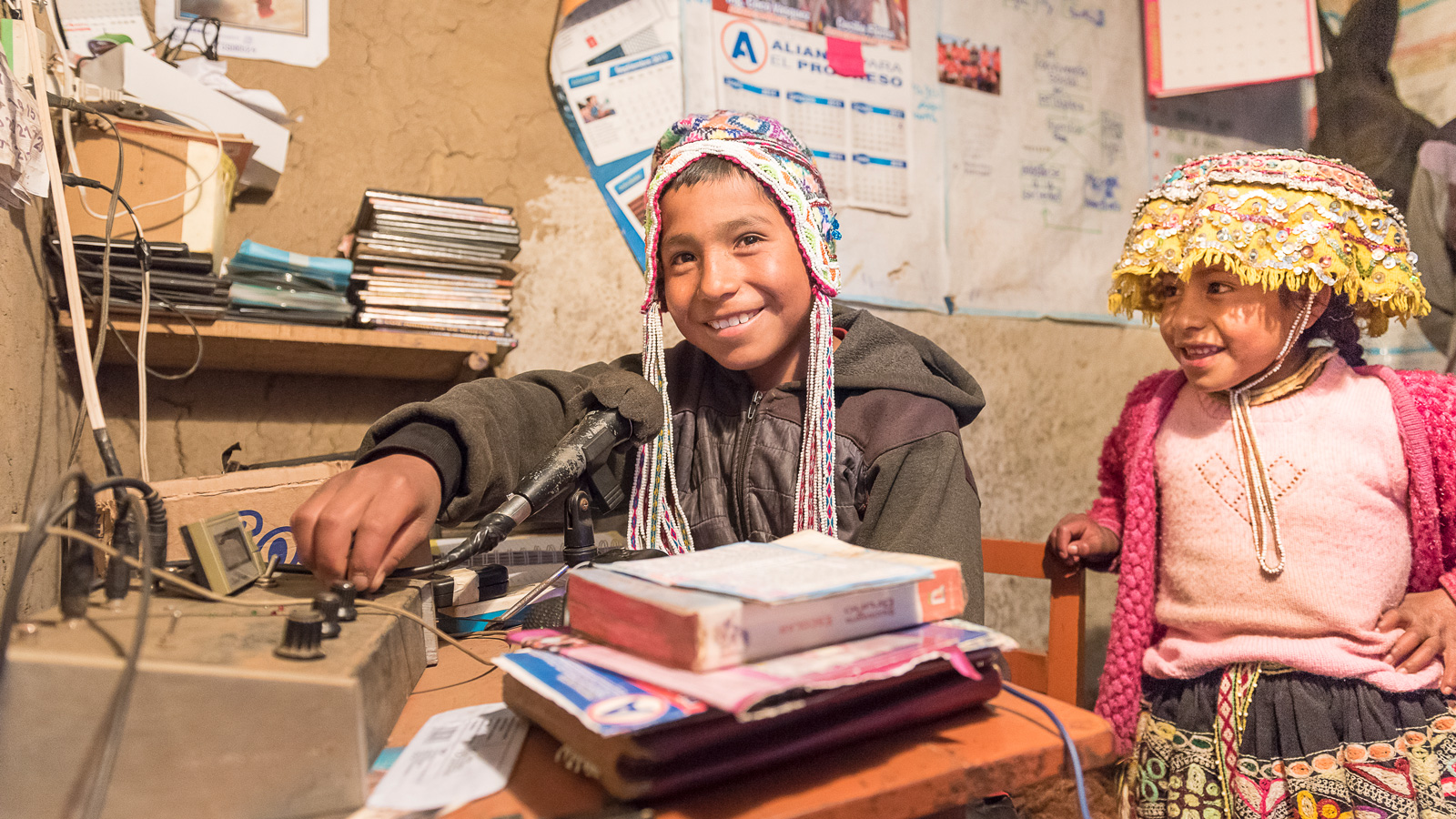
Children produce bilingual and intercultural radio programmes and thereby are actively included in the school lessons, and have the opportunity to engage with indigenous knowledge and culture. The radio project facilitates the intercultural and bilingual approach for the teachers. The children’s self-confidence is increased and they strengthen their native language and engage with their cultural background. In the sub project, indigenous women are taught to be “communication leaders” and produce multilingual and intercultural radio programmes.

The radio programmes are broadcasted on local and regional radios and give the children, women and indigenous communities a voice in the media. The project provides a key to equality in the education system and makes the voices of the women and the indigenous knowledge heard. The radio programmes are collected by PUKLLASUNCHIS and applied by educational institutes as intercultural teaching material. The project supports a democratisation process that is essential for the Peruvian society.

Raúl Chiappe Tafur

Director PUKLLASUNCHIS, Peru

„Pukllasunchis is a term from the Quechua language. It means “let’s play” and expresses what has guided our institution from the very beginning: The importance of play in learning processes, socialisation and personal development. It encourages us to be present and to engage physically, mentally and emotionally with the people we work with and for. We associate play with joy, connection and happiness. We strive for a conscious and engaged coexistence with diversity that emphasises human dignity and our relationship with nature, both personally and in the community.“

Photo Reports

Global Video Project

In 2013 EcoSolidar initiated the Global Video Project. The aim of the project is the video exchange between youths from different countries and social backgrounds.

Global Video Projekt Austausch Global

Global Video Projekt

In 2013 EcoSolidar initiated the Global Video Project. The aim of the project is the video exchange between youths from different countries and social backgrounds.

Young people from different countries and different social backgrounds exchange ideas on topics that concern them all through the medium of film.

What does “youth” mean in Cambodia and what in Switzerland? Does the relationship to food of young people in Japan differ from that of young people in Peru? So far, youngsters from various backgrounds have explored these questions and recorded their perspectives with cell phone cameras.

In 2021, the Global Video Project has a new topic: Young people from Switzerland, Cambodia, Malawi and Peru will exchange ideas on the topic of „My environment and its changes“. Their occupation with the topic will be recorded by professional filmmakers. The four short films will be made into one film, which all four groups will watch and discuss. What have the young people from the other countries thought about this topic? Does this topic equally concern us? Where do we see similarities, where are the differences? The young people’s thoughts on the film will be recorded again and thus the final product will come into being: a film that shows both the perspectives of the young people from the different countries and their thoughts on the contributions of the other countries (to come November 2021).

The project will promote an actual exchange at eye level which gives the participants insights into other realities and enables them to gain a “new” view of the familiar. It will also enhance the young people’s media skills and they will learn how to present their own ideas on film.

Since 2013, about 200 young people from Peru, Cambodia, Japan, Malawi, the Philippines and Switzerland have taken part in the Global Video Project. The films produced can be found on EcoSolidar’s YouTube channel or at globalvideo.org.